

Updated: 13/09/2026
Selling your house ranks among life’s most stressful experiences. You’re juggling viewings, dealing with estate agents, negotiating offers, and wondering if you’ve priced it right. The entire process feels like navigating a maze blindfolded.
The hardest part of selling a house? It’s not just one thing. Most UK homeowners struggle with three main challenges: pricing the property correctly, managing the emotional attachment to their home, and dealing with the uncertainty of timing.
You might also face issues with buyers pulling out, chain delays, or discovering problems during surveys that derail sales at the last minute.
This guide breaks down everything you need to know about selling your house in the UK. We’ll cover the toughest challenges, red flags to watch for, and practical steps to make the process smoother.
Table of Contents
What Is the Hardest Part of Selling a House
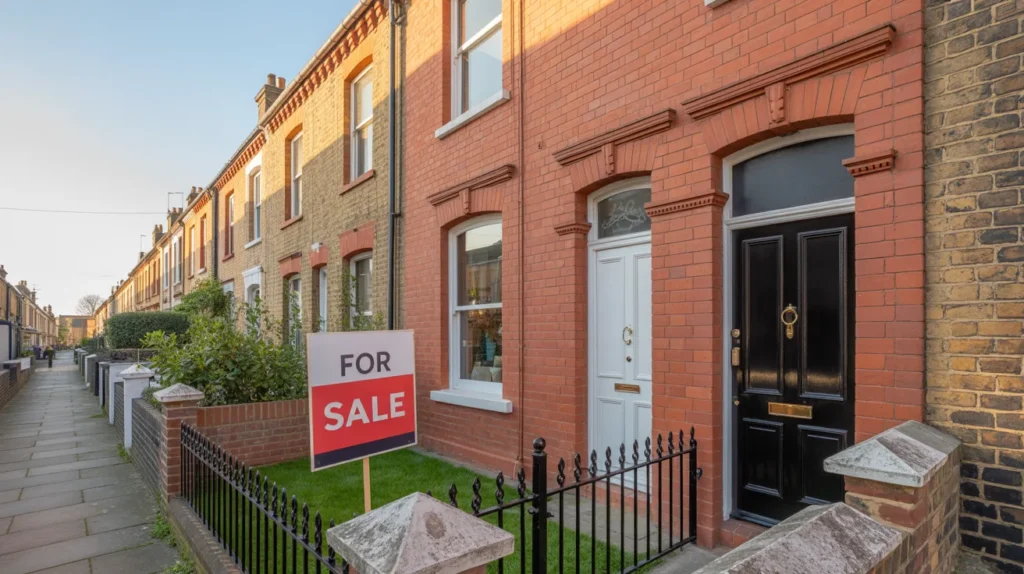
The 10 Hardest Parts of Selling a House in the UK
1. Setting the Right Price
Getting your asking price wrong is the fastest way to sink your sale. Price too high and your property sits on the market for months, becoming stale. Buyers start wondering what’s wrong with it. Price too low and you lose thousands of pounds you could have had.
Estate agents typically suggest a price based on comparable properties in your area. But they might overprice to win your business, or under price to secure a quick sale and their commission. You need to do your own research. Check Rightmove and Zoopla for similar properties that have actually sold, not just listed.
The Land Registry shows actual sale prices in your postcode. Use this data to understand what buyers are really paying. Consider getting valuations from three different agents, then pricing slightly below the average if you want a fast sale, or at the average if you can wait.
2. Managing Your Emotional Attachment
Your house holds memories. Your children took their first steps in that hallway. You painted the kitchen that specific shade of blue because you loved it. But buyers don’t care about your memories. They’re imagining their own life in the space.
This emotional connection makes it hard to accept criticism. When viewers point out the dated bathroom or small garden, it feels personal. You need to detach and view your property as a product you’re selling. Remove family photos before viewings. Pack away personal items. Create a neutral space that lets buyers project their own vision.
Some sellers struggle to accept offers below asking price. They feel insulted. But in the current market, most properties sell for 95% to 98% of the asking price. Negotiations are normal, not personal attacks.
3. Timing the Market Correctly
Property prices fluctuate. Interest rates change. Economic uncertainty affects buyer confidence. Timing your sale perfectly is nearly impossible, but getting it badly wrong costs you money.
Spring traditionally sees the most activity in the UK housing market. March, April, and May bring higher viewing numbers as buyers emerge from winter hibernation. Families want to move before the new school year starts in September.
December is the hardest month to sell a house. Viewings drop by 40% compared to spring months. Buyers focus on Christmas spending rather than house hunting. Properties listed in December often sit unsold until January. If you can wait, avoid putting your house on the market between mid-November and early January.
Summer sees reasonable activity, though August slows down as families go on holiday. Autumn picks up again in September and October before the winter slump.
4. Preparing Your Property for Sale
Most sellers underestimate the work required to make their house market-ready. Clutter, worn carpets, scuffed walls, and overgrown gardens all reduce your sale price. Buyers judge properties in the first 30 seconds of viewing.
You need to deep clean every room. Fix obvious problems like dripping taps, stuck doors, and cracked tiles. Paint walls in neutral colours. Replace or professionally clean stained carpets. Mow the lawn, trim hedges, and clear rubbish from the garden.
Decluttering is essential but difficult. You live with your stuff every day, so you don’t notice how much you have. Pack away at least 50% of your belongings. Clear kitchen worktops completely. Remove excess furniture to make rooms look bigger. Clean windows inside and out.
Minor repairs that you’ve ignored for years suddenly matter. That loose bannister, the bedroom door that sticks, the cracked bathroom grout. Fix them all. Buyers assume that visible problems indicate hidden issues.
5. Dealing with Estate Agent Fees and Costs
Selling a house isn’t cheap. Estate agents typically charge 1% to 3% of the sale price plus VAT. On a £300,000 property, that’s £3,000 to £9,000. Online agents offer cheaper fixed fees (£1,000 to £2,000), but you might get less service.
Energy Performance Certificates (EPCs) cost £60 to £120 and are legally required. You’ll need to pay for professional photos if your agent doesn’t include them. Some sellers hire staging companies to furnish empty properties, costing £1,000 to £3,000 per month.
Conveyancing fees add another £850 to £1,500. If you’re buying another property simultaneously, you might face bridging loan costs or additional stamp duty if you temporarily own two properties.
Many sellers forget about the cost of actually moving. Removal companies charge £400 to £1,200 depending on distance and volume. Cleaning services for your old property cost £150 to £300.
6. Managing Viewings While Living in the Property
Estate agents want to schedule viewings at short notice. Buyers call at 4pm asking to view at 6pm. You’re trying to work, cook dinner, and manage children while keeping your house spotlessly clean and ready for strangers to walk through.
You need to leave during viewings. Buyers feel uncomfortable discussing the property honestly with you standing there. This means finding somewhere to go, often multiple times per week. Coffee shops get expensive. Walking around the neighbourhood in winter gets miserable.
Pets complicate viewings. Dogs need walking or securing in another room. Litter trays need constant cleaning. Some buyers are allergic or afraid of animals.
Weekend viewings disrupt your free time. You can’t relax at home when you’re expecting viewers. Some agents do block viewings, cramming five or six viewings into one afternoon. This maximizes disruption but means you only lose one afternoon instead of your entire weekend.
7. Handling Buyers Who Pull Out
Property sales fall through regularly in the UK. Around 30% of agreed sales collapse before completion. Buyers get cold feet, fail to secure mortgage approval, or find problems during surveys.
Gazumping still happens despite being widely despised. A buyer makes an offer, you accept, then someone else offers more money. You’re not legally bound until contracts are exchanged, so technically you can accept the higher offer. But this restarts your entire process.
Gazundering is worse. Your buyer waits until just before exchange, then reduces their offer. They know you’ve likely committed to another purchase and might accept rather than start again. It’s legal but unethical.
Chain breaks cause many failures. Your buyer needs to sell their property, which depends on their buyer selling theirs. If anyone in the chain fails to complete, the entire chain collapses. You can reduce this risk by accepting offers from first-time buyers or cash buyers who aren’t in a chain.
8. Dealing with Survey Issues
Your buyer’s mortgage lender requires a survey. Basic valuations just confirm the property is worth the loan amount. Homebuyer surveys cost £400 to £600 and identify problems. Full structural surveys cost £600 to £1,500 and examine everything in detail.
Surveyors always find issues. Damp, subsidence, Japanese knotweed, electrical problems, roofing concerns. Some issues are genuine and serious. Others are minor problems blown out of proportion because surveyors want to cover themselves legally.
Buyers often demand price reductions based on survey findings. A £5,000 rewiring estimate becomes a £5,000 price reduction request. You need to decide whether to negotiate, get your own quotes to challenge their figures, or risk them pulling out.
Some problems kill sales completely. Serious structural issues, extensive damp, or Japanese knotweed make properties difficult to mortgage. You might need to fix these before selling or accept a significantly lower cash offer.
Conveyancing confuses most people. Your solicitor handles contracts, searches, and legal paperwork. But the process involves dozens of steps, unclear timelines, and confusing jargon.
Leasehold properties create extra complications. You need to provide lease details, service charge information, and management company contacts. Ground rent terms matter. Lease length affects mortgageability. Anything under 80 years requires expensive lease extensions.
Local authority searches reveal planning applications, building regulations, environmental issues, and road proposals. They take 4 to 6 weeks currently. Any unexpected findings can delay or derail sales.
Your buyer’s solicitor will raise enquiries. Standard questions about boundaries, disputes, alterations, guarantees for work done. You need to gather certificates for new windows, boiler services, electrical work, and building regulation approvals for extensions or conversions.
Missing paperwork causes delays. That kitchen extension from 10 years ago needs building regulation certificates. The replacement windows need FENSA certificates. If you don’t have them, you’ll need indemnity insurance or retrospective applications.
10. The Stress of Uncertainty
The entire selling process involves constant uncertainty. Will viewers like your property? Will they make offers? Will those offers meet your expectations? Will buyers get mortgage approval? Will surveys go smoothly? Will the chain hold together?
UK house sales take 3 to 4 months on average from accepting an offer to completion. But this varies wildly. Simple sales with no chain and motivated buyers can complete in 8 weeks. Complex sales with long chains, leasehold issues, or survey problems can drag on for 6 to 9 months.
You can’t make concrete plans. You don’t know your moving date until contracts exchange. But you need to book removal companies, arrange time off work, notify utility companies, and organize everything else that moves require.
Estate agents are notoriously poor at communication. You chase them for updates. They promise to call back and don’t. Buyers go silent for weeks. Solicitors seem to work at glacial pace.
This uncertainty affects your mental health. You’re living in limbo, unable to properly move forward with life plans. Some sellers describe feeling stuck, anxious, and exhausted by the entire experience.

Red Flags When Selling a House: What to Watch For
Understanding red flags helps you avoid problems that could derail your sale or cost you money. Here are the warning signs you need to spot.
Estate Agent Red Flags
An agent who suggests an asking price significantly higher than others might be overpricing to win your business. They know the property won’t sell at that price, but they want the listing. After a few weeks with no interest, they’ll suggest reducing the price.
Agents who are difficult to contact or slow to respond will frustrate buyers and their agents. If they’re not returning your calls promptly, they’re not returning buyer enquiries either.
Poor quality photos or generic property descriptions suggest the agent isn’t putting effort into marketing your home. Good agents use professional photographers and write compelling, detailed descriptions.
Agents pressuring you to accept low offers immediately without justification might be prioritizing their commission over your best interests. They want a quick sale, even if it costs you thousands.
Buyer Red Flags
Buyers who aren’t mortgage approved yet are higher risk. They might fail to secure financing. Always ask for proof of Decision in Principle before accepting offers.
First-time buyers seem ideal because they’re not in a chain. But they’re also more likely to get cold feet or struggle with mortgage approval if they’re stretching their budget.
They also may fall foul of the risks of borrowing more under UK Mortgage Affordability Rules, their incomes may not justify any extra funding they may need to purchase your property.
Buyers who want extremely long completion dates (more than 4 months) might have their own property to sell. Ask about their circumstances. Long timelines increase the risk of them finding another property or changing their minds.
Cash buyers offering significantly below asking price might be investors or developers looking for bargains. But genuine cash buyers willing to pay fair prices are ideal because they’re not in chains and don’t need mortgage approval.
Buyers may also have failed to understand what is Stamp Duty and whether they need to pay it – This could infringe their buying finances and delay the sale going through.
Property Red Flags That Decrease Value
Structural issues top the list of value-killers. Subsidence, serious damp, roof problems, or foundation issues can reduce your property value by 10% to 25%. Some buyers won’t touch properties with these problems.
Japanese knotweed is a particular nightmare. Mortgage lenders often refuse to lend on properties with knotweed within 7 meters. Treatment costs £1,500 to £5,000 and takes several years. It can reduce property value by 5% to 10%.
Properties on busy roads or flight paths sell for 10% to 15% less than similar properties on quiet streets. Noise pollution significantly affects desirability.
Homes near phone masts, electricity pylons, or industrial sites face value reductions of 5% to 20%. Buyers worry about health concerns and visual impact.
Poor mobile phone signal or slow broadband speeds now matter more than ever with remote working becoming standard. Properties with limited connectivity can be 5% to 10% less valuable.
Parking problems reduce value, particularly in urban areas. No off-street parking can knock 10% off your property value in cities where parking permits are expensive and street parking is scarce.
Short leases on flats severely impact value. Leases under 80 years become difficult to mortgage. Each year under 80 years can reduce value by 1% to 2%.
Properties requiring significant work attract lower offers. Buyers either don’t want the hassle or they’re investors looking for discounts. Expect offers 10% to 20% below market value if your property needs a new kitchen, bathroom, or complete redecoration.
What Decreases Property Value the Most?
Understanding value-killers helps you avoid costly mistakes and set realistic expectations.
Structural Problems (10% to 25% Reduction)
Subsidence, serious damp, roof damage, or foundation issues severely impact value. Many buyers won’t consider properties with structural problems. Those who will expect substantial discounts.
Treatment costs run into tens of thousands for serious cases. Even after treatment, properties with a history of structural issues remain harder to sell.
Japanese Knotweed (5% to 10% Reduction)
This invasive plant grows through concrete and building foundations. Mortgage lenders refuse to lend on properties with knotweed within 7 meters. Professional treatment costs £1,500 to £5,000 and takes several years.
Properties with knotweed must disclose this to buyers. Even after treatment, the stigma remains.
Location Issues (5% to 20% Reduction)
Properties on busy roads lose 10% to 15% of value due to noise and pollution. Homes near railway lines, airports, or industrial sites face similar reductions.
Properties near phone masts or electricity pylons typically sell for 5% to 10% less. Schools, good transport links, and shops increase value, while problematic neighbours or run-down areas decrease it.
Short Leases on Flats (1% to 2% Per Year Under 80 Years)
Leases under 80 years become increasingly difficult to mortgage. Banks require larger deposits or refuse to lend entirely. Each year under 80 reduces value by 1% to 2%.
Lease extensions cost £5,000 to £15,000 depending on remaining term and ground rent. Properties with very short leases (under 70 years) can lose 20% to 30% of their value.
Poor Condition and Outdated Features (10% to 20% Reduction)
Properties requiring complete redecoration, new kitchens, or bathroom renovations attract lower offers. Buyers either don’t want the hassle or they’re investors seeking discounts.
Dated features like Artex ceilings, old carpets, or 1970s kitchens reduce appeal. Buyers can’t envision themselves in tired properties as easily as in well-presented ones.
No Parking (5% to 15% Reduction in Urban Areas)
Off-street parking significantly affects value in cities and towns where parking is scarce. Properties with garages or driveways sell for 5% to 15% more than identical properties without parking.
In rural areas, parking matters less because street parking is usually available. But in urban areas with permit parking zones, no off-street parking is a serious drawback.
Poor Energy Efficiency (3% to 8% Reduction)
Properties rated F or G on their EPC sell for 3% to 8% less than comparable properties with better ratings. Rising energy costs make efficiency increasingly important to buyers.
Properties rated A or B sell for premiums because buyers know their heating bills will be lower. Future regulations may restrict mortgages on poorly-rated properties, making them harder to sell.

Step-by-Step Guide to Selling Your House in the UK
Breaking the process into clear steps makes it less overwhelming. Here’s what happens from decision to completion.
Step 1: Prepare Your Property (2 to 4 Weeks)
Start with a thorough declutter and deep clean. Pack away personal items, excess furniture, and anything that makes rooms feel cramped. Clean windows, carpets, and walls. Fix minor repairs like dripping taps, stuck doors, and damaged skirting boards.
Consider cosmetic improvements that add value. A fresh coat of neutral paint throughout costs £1,000 to £2,000 but can increase sale price by 5%. New bathroom fixtures or kitchen cabinet doors update tired spaces without full renovations.
Get your EPC done if you don’t have a current one. Gather documents like guarantees for work done, building regulation certificates, and service records for boilers and appliances.
Step 2: Choose an Estate Agent (1 Week)
Interview at least three agents. Ask about their fees, marketing strategy, local experience, and recent sales in your area. Check their Rightmove and Zoopla reviews.
Traditional high street agents charge 1% to 3% plus VAT but provide full service including accompanied viewings. Online agents charge fixed fees of £1,000 to £2,000 but offer limited support. Hybrid agents fall somewhere between.
Don’t automatically choose the agent suggesting the highest asking price. Ask them to justify their valuation with comparable sales data. A realistic price sells faster than an optimistic one.
Step 3: List Your Property (1 to 2 Weeks)
Your agent will arrange professional photos and create a property description. Good agents use wide-angle lenses, ensure houses are well-lit, and stage rooms attractively.
Review the description carefully. Correct any errors and ensure it highlights your property’s best features. Mention recent improvements, nearby amenities, and unique selling points.
Your property will appear on Rightmove, Zoopla, and your agent’s website. Listings that go live on Thursdays or Fridays get the most weekend viewing requests.
Step 4: Conduct Viewings (2 to 8 Weeks)
Most properties receive the most interest in the first two weeks. Be available for viewings during this crucial period. Keep the house spotlessly clean and well-lit.
Leave during viewings so buyers can speak freely. Some agents accompany viewings, while others give buyers keys and let them view alone. Accompanied viewings generally work better because agents can answer questions and highlight features.
After each viewing, ask your agent for feedback. Consistent negative comments about price, condition, or specific features tell you what needs addressing.
Step 5: Negotiate and Accept Offers (1 to 2 Weeks)
When offers come in, don’t automatically accept the highest one. Consider the buyer’s position. First-time buyers or cash buyers with no chain are lower risk than buyers who need to sell their property first.
Your agent will negotiate on your behalf. Expect some back-and-forth. Most properties sell for 95% to 98% of asking price in normal markets.
Once you’ve agreed on a price, ask for proof of the buyer’s mortgage Decision in Principle or cash proof of funds. Agree on a provisional completion date. At this point, the sale is not legally binding. Either party can still pull out.
Step 6: Instruct Solicitors and Complete Legal Work (8 to 12 Weeks)
Your solicitor handles all legal aspects of the sale. They’ll prepare the draft contract, respond to the buyer’s solicitor’s enquiries, and arrange for you to sign documents.
Complete your TA6 Property Information Form honestly and thoroughly. Gather all certificates and guarantees for work done on the property. Your solicitor needs these to answer the buyer’s enquiries.
The buyer’s solicitor will conduct searches that check planning applications, environmental issues, and local authority information. These take 4 to 6 weeks currently due to local authority backlogs.
Stay in regular contact with your solicitor. Chase them for updates weekly. Solicitors often juggle hundreds of cases and may not proactively update you.
Step 7: Exchange Contracts (1 to 2 Weeks After Searches Complete)
Once searches complete and both parties are satisfied with enquiries, you’re ready to exchange. At this point, the sale becomes legally binding. Neither party can pull out without paying substantial penalties.
You’ll sign the contract and send it to your solicitor. Your buyer pays their deposit (typically 10% of the purchase price) to their solicitor. Solicitors exchange contracts over the phone, then confirm in writing.
Agree on a completion date at exchange. This is usually 1 to 2 weeks later, giving you time to organize removal companies and final preparations.
Step 8: Complete and Move Out (Completion Day)
Completion is when money transfers and ownership legally changes hands. Your buyer’s solicitor sends the funds to your solicitor. Once your solicitor confirms receipt, they’ll inform the estate agent to release keys to the buyer.
Completion typically happens at midday to 2pm, though this varies. You should be completely moved out by early morning. Leave the property clean and empty unless you’ve agreed to leave certain items like carpets, curtains, or appliances.
Do a final check for any items left behind. Take meter readings for electricity, gas, and water. Post keys through the letterbox or leave them with the estate agent as agreed.
Once your solicitor confirms completion, you’re done. They’ll transfer your money (minus their fees and estate agent commission) to your bank account within a few days.
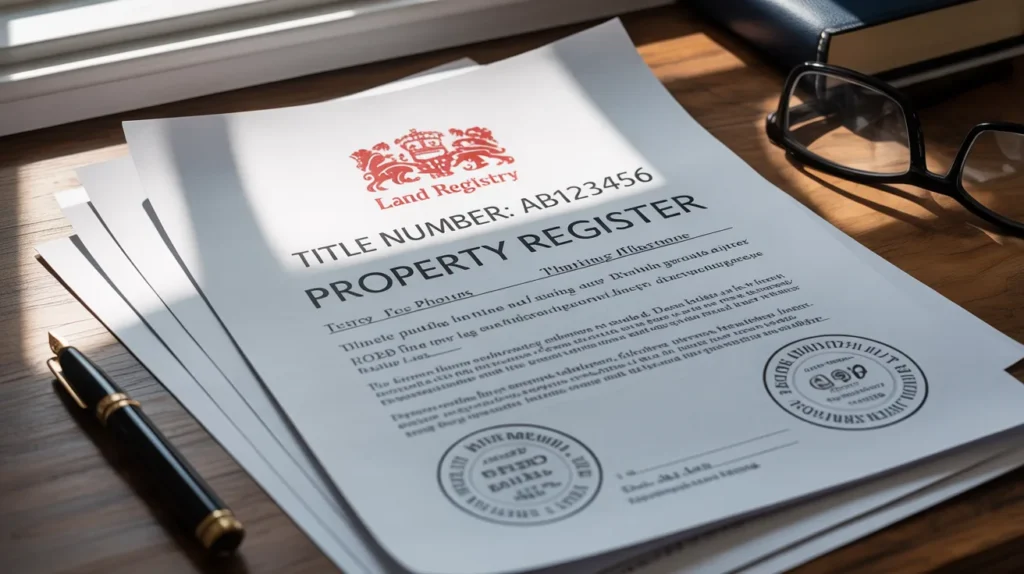
The Three Most Important Documents in Your Property Sale
Understanding the key documents in your sale helps you prepare properly and avoid delays.
1. Title Deeds and Title Register
The title register proves you own the property and have the right to sell it. It shows property boundaries, any restrictions or covenants, and whether anyone else has rights over the land (like rights of way).
This document is crucial because without clear title, you cannot sell. Buyers need certainty that they’re buying from the legal owner and that no one else has claims on the property.
Your solicitor obtains the title register from the Land Registry. But you should check it yourself before listing your property. Boundary disputes, unknown restrictions, or incorrect information can delay or prevent sales.
2. Property Information Form (TA6)
The TA6 form (or equivalent in Scotland) requires you to disclose everything you know about the property. This includes disputes with neighbours, building work done, problems with the property, alterations made, and any guarantees or warranties.
This form matters because you’re legally required to disclose known issues. Failing to disclose problems can lead to legal action after completion. Buyers can sue for misrepresentation if you knowingly concealed defects.
You must be honest on the TA6, even if it means revealing problems that might put buyers off. Disclose damp issues, past flooding, planning disputes, or structural repairs. Provide certificates for any work done, particularly electrical work, gas installations, or building regulation approvals for extensions.
3. Energy Performance Certificate (EPC)
EPCs rate your property’s energy efficiency from A (most efficient) to G (least efficient). They’re legally required for all property sales and must be available before you market the property.
EPCs matter because they affect your property’s appeal and value. Properties rated F or G are harder to sell and less valuable. From 2025, properties with ratings below C may face restrictions on mortgage lending.
The certificate also recommends improvements to increase energy efficiency. Buyers use this to estimate future heating costs and potential upgrade expenses.
EPCs cost £60 to £120 and last 10 years. Get one done early in the selling process. If your rating is poor, consider making improvements before selling. Simple changes like loft insulation, draught-proofing, or upgrading heating controls can improve your rating and increase your property value by more than the cost of improvements.
How Long Does a UK House Sale Take?
The average UK house sale takes 16 to 20 weeks from listing to completion. This breaks down as follows:
Preparing and listing your property: 2 to 4 weeks Finding a buyer and agreeing on a price: 2 to 8 weeks Legal work and searches: 8 to 12 weeks Exchange to completion: 1 to 2 weeks
However, these timelines vary significantly based on several factors.
Chain-free sales complete faster. If you’re selling to a first-time buyer or cash buyer, and you’re not buying another property, you could complete in 8 to 10 weeks. Some cash buyers with no survey requirement complete in as little as 4 weeks.
Chain sales take longer. If your buyer needs to sell their property, add 8 to 12 weeks for their sale to complete. Long chains with multiple buyers and sellers can take 6 to 9 months.
Leasehold properties take 2 to 4 weeks longer than freehold. Your solicitor needs information from the management company, which often responds slowly. Buyers’ solicitors scrutinize lease terms carefully, raising additional enquiries.
Properties requiring work or with issues discovered in surveys face delays. Negotiations over price reductions, obtaining quotes for repairs, or arranging indemnity insurance for missing certificates adds 2 to 6 weeks.
Local authority search speeds vary wildly. Some councils return searches in 2 weeks. Others take 8 to 10 weeks. Delays in searches are the single biggest cause of slow completions.
Your solicitor’s workload affects timelines. Some solicitors respond to emails within 24 hours. Others take a week. Choose a solicitor based on recommendations and reviews, not just price.
Mortgage processing times vary. Some lenders approve mortgages in 2 weeks. Others take 6 weeks, particularly for complex applications or properties requiring specialist lending.
Final Thoughts on Selling Your House
What Is the Hardest Part of Selling a House – Well, as you can see above, selling your house can be challenging, time-consuming, and often stressful. The hardest parts involve pricing correctly, managing emotions, dealing with uncertainty, and navigating the legal complexities.
But understanding what to expect helps you prepare mentally and practically. Know the red flags. Gather your documents early. Choose your estate agent and solicitor carefully. Be realistic about timelines and market conditions.
Most importantly, remember that almost everyone selling a house finds it difficult. You’re not alone in feeling overwhelmed. Take it one step at a time, stay organized, and don’t hesitate to ask your estate agent and solicitor questions when you’re unsure.
The process will end eventually. You’ll complete the sale, move on to your next home, and look back wondering why you worried so much. But while you’re in the middle of it, be kind to yourself. Selling a house is genuinely hard work.