

Updated: 16/09/2026
Table of Contents
The Real Reason Mortgage Rates Are Rising in the UK
Mortgage rates in the UK haven’t just drifted upward—they’ve been pushed. And behind that push is a system that most people only see fragments of.
At the centre of it all sits the Bank of England, quietly adjusting the levers that shape the cost of borrowing across the country.
Why UK Mortgage Rates Are Rising Right Now – A Complete Overview

The Bank of England Interest Rate Strategy Explained
When inflation starts climbing beyond control, the Bank of England steps in. Its main tool? Interest rates.
Raise them, and borrowing becomes more expensive. Spending slows. The economy cools—at least in theory.
But what’s often missed is timing.
Lenders don’t wait for official announcements. They move early, adjusting mortgage rates based on where they believe interest rates are heading—not where they are today.
That’s why it can feel like rates are constantly creeping up, even between policy changes.
It’s not reaction. It’s anticipation.
Inflation Pressure and the Cost of Borrowing
Inflation doesn’t just affect your weekly shop—it reshapes the entire financial landscape.
As prices rise across the economy, the value of money shifts. To counter this, interest rates are pushed higher. And once that happens, mortgages inevitably follow.
It creates a chain reaction:
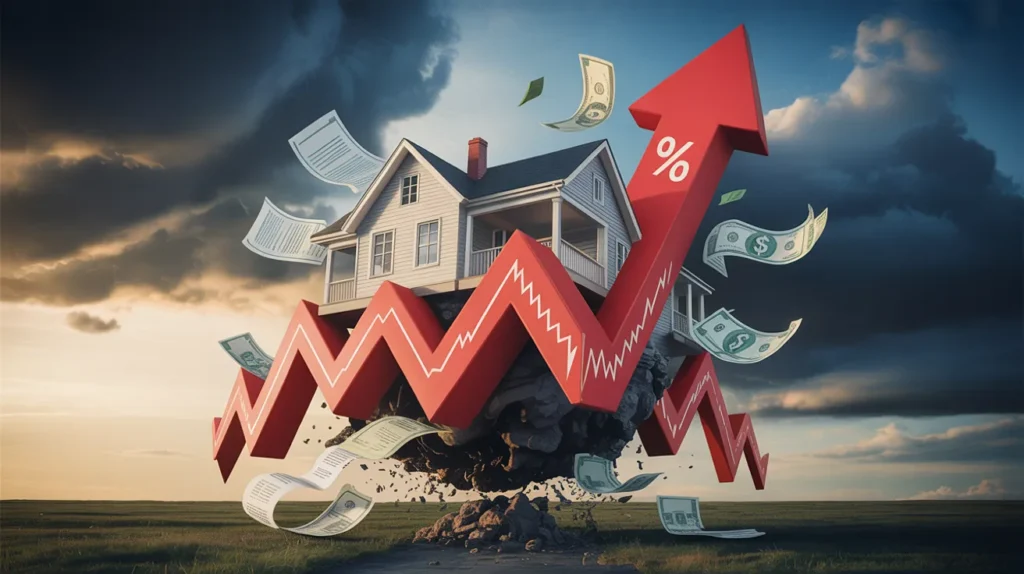
Higher inflation leads to higher interest rates, which leads to higher mortgage payments—and ultimately, less disposable income.
So your mortgage isn’t just tied to your lender anymore. It’s tied to inflation, policy decisions, and the broader economic climate.
Global Economic Forces Driving UK Lending Rates
This isn’t just a UK issue.
Mortgage rates are influenced by global movements—decisions made by central banks abroad, fluctuations in energy prices, and even geopolitical uncertainty.
Behind the scenes, something called swap rates plays a crucial role. These are influenced by global markets and determine how lenders price mortgages.
When swap rates rise, mortgage rates tend to follow—regardless of whether anything has changed domestically.

How Mortgage Rate Hikes Actually Affect You
The effects of rising rates don’t stay abstract for long. They show up quickly—and often sharply—in your monthly payments.
Monthly Payment Shock: Real Examples
A small percentage increase might not sound dramatic, but the impact can be.
A £200,000 mortgage at 2% might feel manageable. Push that rate to 5%, and suddenly the monthly payment jumps by hundreds of pounds.
No extra borrowing. No lifestyle change. Just a higher cost of money.
That’s where the pressure becomes real.
Fixed vs Tracker Mortgages in a Rising Market
The type of mortgage (Types Of Mortgages In The UK) you hold, determines how exposed you are.
Fixed-rate deals offer a sense of stability. Your payments stay the same—for now. But when that deal ends, the reset can be abrupt.
Tracker or variable rates move alongside interest rates. There’s no delay. When rates rise, so do your payments.
In a rising market, fixed deals act like temporary shelter. Tracker deals keep you directly in the storm.
What Happens When Your Deal Ends
This is where many homeowners are starting to feel the shift.
Those coming off low fixed-rate deals secured years ago are now stepping into a very different environment. The difference in monthly payments can be significant—and immediate.
It’s often described as a “cliff edge,” and for good reason.
There’s little transition. Just a sudden adjustment to a new financial reality.
Who Gets Hit the Hardest (And Why)
Rising mortgage rates don’t hit everyone equally. Some feel it sooner—and more intensely—than others.
First-Time Buyers
For first-time buyers, affordability becomes the biggest hurdle. (Is It Better To Buy A House Or Flat As A First Time Buyer).
Higher rates mean:
-
Smaller borrowing limits
-
Larger required deposits
-
Fewer viable options
What once felt achievable can quickly move out of reach.
Homeowners Re-Mortgaging
This group often faces the sharpest shock.
Moving from historically low rates into today’s higher-rate environment isn’t just a financial shift—it’s a psychological one. The contrast is stark, and the adjustment can feel sudden.
Buy-to-Let Investors
For landlords, rising rates cut directly into margins (This might help –Buy To Let Mortgage Interest Only Calculator).
Some respond by increasing rents. Others exit the market altogether. Either way, the ripple effects spread across the housing sector.
Will Mortgage Rates Keep Rising?
This is the question sitting in the background for almost every homeowner.
Expert Predictions for 2026
Most projections suggest a gradual stabilisation rather than a sharp drop.
If inflation begins to ease, rates may settle. But a return to the ultra-low levels of previous years seems unlikely in the near term.
Signals from the Bank of England
The clues are there—if you know where to look.
Inflation data, wage growth, and spending patterns often signal where rates are heading before any official announcement is made.
Watching these indicators can give you a slight edge in timing your decisions.
When Rates Might Stabilise
Stability tends to follow when inflation comes under control and economic growth slows.
Until then, fluctuations are likely to remain part of the landscape.

What You Should Do Right Now
In a market like this, waiting for perfect timing rarely works. What matters more is how you position yourself.
Fix, Track, or Wait?
Each option carries its own balance of risk and certainty.
Fixing your rate can bring predictability. Tracking offers flexibility—but with exposure. Waiting can feel safe, but it’s often the most uncertain path of all.
The right choice depends less on the market—and more on your tolerance for risk.
How to Reduce Your Monthly Payments
There are ways to ease the pressure, even in a rising-rate environment.
Extending your mortgage term, reviewing your deal early, or adjusting your financial setup can all create breathing space.
Small adjustments, over time, can make a noticeable difference.
Smart Re-Mortgaging Strategies
Timing matters—but perfection isn’t required.
Many lenders allow you to secure a rate months in advance, giving you a buffer against further increases. Speaking with a broker can also open access to deals not widely advertised.
In this kind of market, the advantage goes to those who act slightly earlier—not those who wait too long.
Products / Tools / Resources